
Off the Beaten Path: A BlueNile101 Reflection

Video games have been a huge part of who I am for as long as I can remember. From the early days of the NES to today, gaming has shaped my interests, fueled my creativity, connected me with people, and given me experiences that have stayed with me long after I put down the controller.

That being said, I think my relationship with gaming—and the gaming industry—is beginning to change. Or maybe it already has. Maybe I'm just now beginning to see the bigger picture. Looking back, I think part of what I've been holding onto began six years ago, when I brought home my PlayStation 5 and stepped into a new generation of gaming. Under normal circumstances, that might have simply been another exciting console launch. But 2020 was anything but normal.

Sony released the PlayStation 5 into a world that had changed almost overnight. We were in the middle of a worldwide pandemic, surrounded by uncertainty, isolation, and disruption to nearly every part of our lives. And while the consequences of the pandemic reached far beyond something as comparatively trivial as video games—affecting health, humanity, politics, and nearly every aspect of daily life—that period changed gaming too. Not just the industry, but the people playing games and the communities growing around them. For many of us, games became a small source of light during an incredibly dark and uncertain time.
Speaking from personal experience, gaming helped me manage some of my own anxieties during that period. When the world felt uncertain, games gave me comfort and something predictable. They gave me places to explore when I couldn't leave my home. They gave me friends to spend time with when seeing people in person wasn't possible. And from what I saw across social media, I certainly wasn't alone. The gaming industry experienced an enormous boom during the pandemic, but those numbers represented something much bigger than companies simply selling more games.
People who had never considered themselves gamers were suddenly picking up controllers for the first time. Others returned to a hobby they had left behind years earlier. When millions of people were stuck at home looking for entertainment, escape, and—perhaps most importantly—connection, gaming opened a door. New experiences and entire worlds were being discovered or rediscovered.
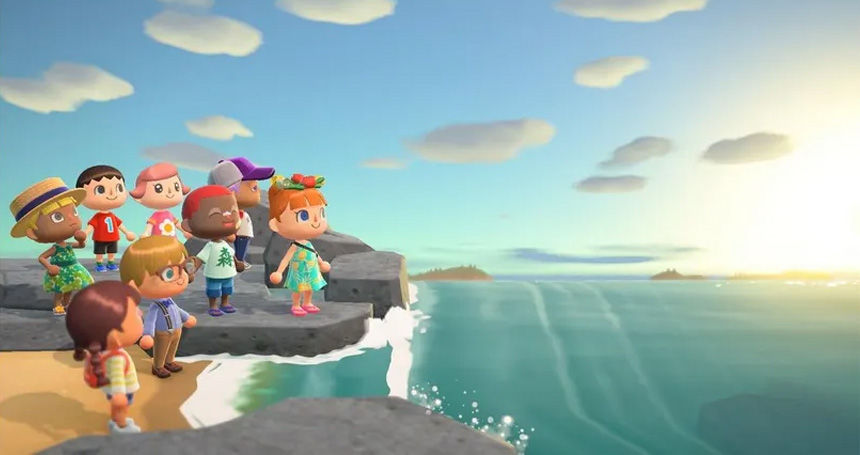
Games like Animal Crossing: New Horizons became virtual gathering places. Friends who couldn't sit together on a couch could still meet online. Families separated from one another found another way to spend time together. That's what gaming became for me and many of my friends during that time. We couldn't always be in the same room, but we could still be together. We could jump online, talk, laugh, play something ridiculous, and—for a little while—forget about everything happening outside. The world around us had suddenly become smaller, but through games, our ability to connect with one another didn't have to.
But even as we made our way through the pandemic and the world slowly began returning to some sense of normalcy, gaming didn't simply go back to the way it had been before. Things kept changing. And a lot of those changes haven't been for the better.
When the Cracks Began to Show

We had workplace and corporate scandals from the likes of Activision Blizzard in 2021. The company behind games like Diablo and World of Warcraft was sued by the California Department of Fair Employment and Housing (DFEH) following a two-year investigation. The suit alleged widespread sexual harassment, discrimination against female employees, and a pervasive "frat boy" culture. The fallout resulted in employee walkouts, executive resignations, sponsor departures, and significant public backlash.

Many people seem to forget this, but December 2020 is when CD Projekt Red finally released Cyberpunk 2077. When you think about it, that really wasn't that long ago. Today, it's hailed as one of the best-selling games of all time. But it took the company a long time to reach that milestone after its original launch left the game in a horribly broken state on both the PS4 and Xbox One. After CD Projekt Red publicly announced that the game had finally gone gold following so many delays, players rejoiced. But when they finally got their hands on it, they discovered just how poorly the game performed. The release became one of the most disastrous gaming launches in recent history. The backlash was so intense that Sony pulled the game from the PlayStation Store for six months, something practically unheard of at the time. CD Projekt Red issued refunds, and the company faced investor lawsuits over misleading claims.
Beginning in 2021 through 2022, major publishers—including Ubisoft, Square Enix, EA, and Konami—attempted to integrate Blockchain technology and playable NFTs into video games.
The backlash from gamers and development staff was swift and intense, citing environmental concerns, predatory monetization, and a lack of added gameplay value. Most publishers quietly abandoned or scaled back their Web3 plans shortly after.

And for the last four years, the biggest one of all—the one that hasn't shown any signs of stopping—has been the massive wave of industry layoffs and studio closures. Over 45,000 developers, artists, and QA testers have lost their jobs globally. After a $2 billion investment deal collapsed in 2023, Embracer Group shut down dozens of studios , including Volition, developers of Saints Row, and canceled scores of projects. Despite reporting profits, Xbox shuttered several beloved studios, including Tango Gameworks (Hi-Fi Rush) and Arkane Austin (Prey), sparking outrage across the development community. And to top it all off, Sony, Epic Games, Riot Games, EA, and Bungie all enacted major workforce reductions to cut costs following over-expansion during the pandemic era.
It's pretty insane when you look back at all of this.
What's even crazier is that I haven't listed everything. These are only some of the major things that have happened across the gaming industry over the last six years. And as we reach the tail end of 2026, there still doesn't seem to be any sign of it slowing down.
Even now, every week seems to bring something else. Another round of layoffs. Another studio closure. Another remake or reboot. Another highly anticipated game launching unfinished with promises that it'll eventually be fixed. Another major gaming company heading in a direction that seems completely at odds with what it once stood for. It's heartbreaking to watch every single time. And thanks to social media, all of it has become impossible to ignore.

Every day there are new videos, articles, podcasts, and discussions calling attention to what's happening. And honestly, I'm grateful those voices exist. They hold companies accountable and keep important conversations alive. I've tried to do the same through many of the essays I've written here on this blog. But that's also part of what's become so exhausting. It just never seems to stop. There's always another headline. There's always another angry mob created because of it.
And it's not like the anger isn't warranted. Of all the things I've mentioned already, there's no shortage of reasons for people to be frustrated. But I'll admit, after enough of this, the doom and gloom started getting to me. I wasn't just frustrated anymore. I was angry. I hated what I was seeing, and I hated how much it was beginning to affect the way I felt about something I loved.

The layoffs were especially difficult for me. Watching talented people lose their jobs while companies simultaneously talked about revenue growth, record engagement, or their latest restructuring plans was heartbreaking. I know businesses are complicated. I know there's context behind numbers and decisions that I'll never completely understand from the outside. But I'm also empathetic—sometimes to a fault—and after seeing the same stories play out again and again, it became difficult for me to separate the business of gaming from the people being hurt by it. And that's when the questions started getting darker. Why am I doing this to myself? Why am I spending so much time following something that's making me miserable? What exactly am I supposed to do about any of it? I didn't have an answer.
I couldn't stop the layoffs. I couldn't change how these companies operated. I couldn't control where the industry was heading. All I could control was whether I continued giving so much of myself to following it. And somewhere down that particular corridor of thought, I started asking myself a question I never expected: Maybe I just need to walk away. Eventually, that thought became something even harder to admit.
Maybe I'm just done with gaming.

But the more I sat with that thought, the more I realized it wasn't true.
No, I'm not done with gaming. If anything, I still care about it deeply. Maybe that's part of the problem. As passionate as I am about video games, that passion was starting to feel heavier to carry. When you love something this much, it's easy to become consumed by everything surrounding it. Every bad decision feels more personal. Every studio closure hurts a little more. Every layoff, price increase, unfinished release, or tone-deaf corporate statement becomes another reason to wonder what happened to the thing you fell in love with in the first place.

I was spending so much time following everything that was wrong with gaming that I was beginning to lose sight of everything I still loved about it.
That's when I realized I needed to take a step back and ask myself what I was actually feeling. Was gaming really getting worse? Was I simply getting older? Or had I spent so much time immersed in the business surrounding video games that I'd started confusing the state of the gaming industry with the state of gaming itself? I didn't have an immediate answer. But the more I thought about it, the more I kept coming back to the same place: Modern AAA gaming.
For most of my life, this was the side of gaming I followed most closely. The traditional console releases. The big showcases. The major publishers. The next generation of hardware. The games everyone was talking about. That was the world I associated with the future of gaming.
But it isn't the same industry I see today.
What once represented joy, wonder, and excitement to me now seems increasingly dominated by rising prices, corporate consolidation, layoffs, monetization, and the constant pursuit of growth. Maybe some of that was always there and I simply see it differently now. And perhaps that was the part I hadn't been considering enough. The industry wasn't the only thing that had changed. I had too.
I'm in my 40s now. I'm a husband and a father. Over time, my tastes have changed. My interests have changed. The amount of free time I have certainly isn't what it used to be. Maybe that's simply part of getting older. There never seems to be enough time anymore, and I've become much more selective about where—and how—I spend it.
But gaming has been part of my life for far too long to simply walk away from it. And I don't mean that because I've invested forty years into the hobby and somehow feel obligated to stay. I mean that gaming has become intertwined with so many of the things I love.

It's how I've experienced incredible stories and music. It's challenged me, surprised me, introduced me to new ideas, and given me worlds I could actually participate in rather than simply observe. It's been a creative outlet, a social space, a source of comfort, and sometimes just a wonderfully stupid way to spend an afternoon with friends. Walking away from gaming wouldn't just mean finding another hobby. I'd be walking away from a medium that has shaped how I experience so many of the things I enjoy. Growing up alongside this medium and watching it evolve for nearly my whole life has brought some incredible highs and plenty of disappointing lows. I've followed the games, the people who create them, and the companies that shape the industry. I've experienced moments that felt like magic and some companies continue to keep that magic going.

But I've also lived through the dark times, the console wars, the price hikes, the layoffs, the studio closures, and more bad decisions than I could possibly count. And yet, through all of it, I stayed. That's what made me realize that maybe this isn't the breaking point I originally thought it was. Maybe it's a turning point.
Perhaps walking away was never really what I wanted. What I wanted was to stop allowing everything surrounding gaming to sour my love for gaming itself. I didn't need to leave the medium behind. I needed to reconsider which parts of it deserved my attention—and let go of the version of gaming I spent so long believing I was supposed to keep following. That's not an easy thing for me to admit.

For most of my life, the traditional gaming industry was gaming to me. The big console manufacturers. The major publishers. The AAA releases. The showcases. The next generation of hardware. I followed all of it because that's where I believed the future of this hobby was being built. And despite all the mistakes I've witnessed along the way, I kept believing in it because there was always something bigger underneath it all. Gaming has the power to bring people together. Gaming, in all its forms, is art. It's expression. It's storytelling. It's shared experiences. It's passion. And most of all, it's just downright fun.
I've written about games, streamed them, created videos around them, and spent countless hours talking about them with friends. I've watched YouTubers, streamers, bloggers, developers, preservationists, and countless other creators share that same enthusiasm in their own ways. One of my favorite things about this hobby has always been watching someone's excitement over a game spill over into someone else's. That's the kind of infectious joy that made me want to be part of this world in the first place.

But these days you have to work a lot harder to hear it through all the noise. The excitement surrounding a new game is so often followed by conversations about monetization. A promising studio becomes another name attached to a layoff announcement. A great showcase gives us something to celebrate, only for another corporate decision to dominate the conversation days later. Just when it feels like there's a glimmer of light, something else seems to come along and cast another shadow over it. And the frustrating thing is that I still get excited.
This past summer was a perfect example. Xbox delivered one of its strongest showcases in years, announcing games I genuinely wanted to play. Gears of War: E-Day. Fable. A new Spyro. Even Crazy Taxi was coming back. For a moment, it felt like Xbox finally had some momentum again. There were games to talk about. Games to look forward to. This was the stuff I wanted to be excited about. Then came another wave of layoffs. More restructuring. More studios closed. Suddenly, the conversation wasn't about the games anymore.

PlayStation gave me that same feeling. Marvel's Wolverine looked like a blast. Final Fantasy VII Revelation surprised me. And then Capcom unveiled Resident Evil Veronica, a remake of Resident Evil Code: Veronica—my favorite game in the entire series. If there's anything capable of getting my attention, it's that. And yet, once again, the excitement didn't seem to last. The conversation surrounding PlayStation quickly became dominated by Sony's all-digital direction, ownership, preservation, dynamic pricing, and the growing backlash from players. That's the cycle I find so exhausting. Do that enough times, you'll find that it really starts to wear on you.
Maybe that's why my passion for video games started feeling so heavy. I wasn't losing my love for games. I was exhausted from constantly carrying everything surrounding them. And if this is what the future of modern AAA gaming is going to look like, then maybe I'm ready to get off this particular ship. But before I can decide that, I need to ask myself a much bigger question: What exactly are we being asked to follow into the future?
The Cost of Moving Forward

When the PlayStation 5 launched, I remember thinking $499 was already pushing the limits of what most people considered reasonable for a game console. It wasn't completely unreasonable considering the state of the world at the time, and as consumers, we've generally become accustomed to the next generation costing more than the last. But the landscape looks very different today. In the last few years alone, we've watched something happen that once would have seemed almost backwards: consoles approaching their seventh year on the market are becoming more expensive, not less.
Manufacturers point to inflation, supply-chain pressures, tariffs, and rising memory and storage costs as the reasons why. We've talked about the cost of gaming several times on this blog over the last few years, and honestly, it's becoming as annoying as it is hilarious. Not because I don't enjoy the conversations—I do. It's the predictability of them. Every year seems to bring another explanation from a corporate executive, analyst, CEO, or even gaming journalists for why players should expect to pay more. Hardware costs more. Games cost more. Accessories cost more. And every new announcement seems to ask players to reach just a little deeper into their pockets. After watching this cycle repeat itself for years, what I find almost funny is how surprised these companies still seem when the pitchforks and torches inevitably come out. Players haven't exactly been quiet about their frustrations.
What I find even stranger on top of all of this is that the conversation has already begun shifting toward the next generation of consoles. Sony hasn't officially announced the PlayStation 6, but reports and speculation surrounding it have been circulating for quite some time. Meanwhile, Microsoft has officially confirmed that it is deep in development on its next-generation Xbox, currently known as Project Helix. But the more I hear about the next generation, the less interested I am in hearing about how powerful these machines might be. I want to know what we're actually carrying forward with us.
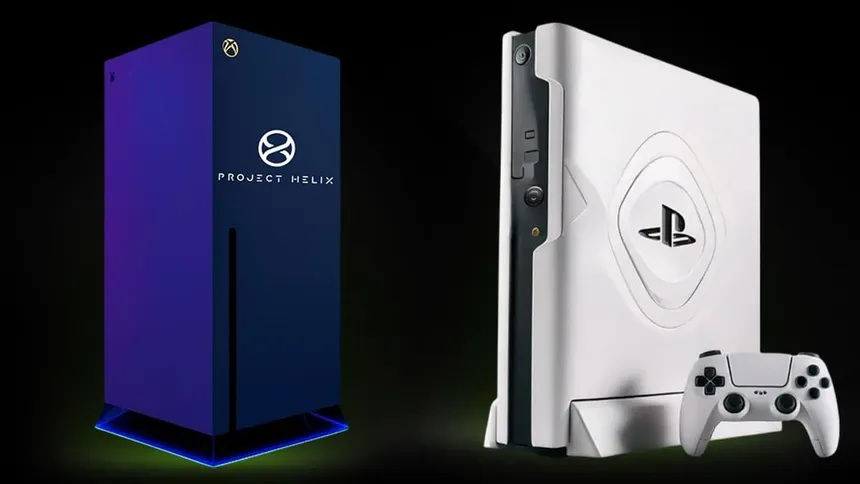
We haven't solved the affordability problems of this generation. Consoles, games, accessories, and subscriptions have all become increasingly expensive. And now, before many players are even ready to leave the current generation behind, we're already being asked to get excited about whatever comes next. That's where something feels off to me. When I listen to conversations throughout the gaming community, I don't hear people begging for more teraflops, faster processors, or increasingly realistic graphics. I hear concerns about affordable hardware. Reasonably priced games. Preservation. Ownership. And confidence that the libraries people are spending hundreds—sometimes thousands—of dollars building today will still follow them tomorrow. And lately, that's where PlayStation and Xbox appear to be heading in two very different directions.
In July 2026, Sony made its long-term direction much clearer. Beginning in January 2028, physical disc production will end for all new games released on PlayStation consoles. Games released on disc before that deadline won't suddenly disappear, and Sony has since clarified that publishers will still be able to reorder existing releases.
But for new games going forward, PlayStation is moving toward a digital-only future. And that's where my concern goes beyond simply preferring a plastic case on my shelf.
What exactly am I buying when I purchase a digital game? What happens when storefronts close? What happens decades from now when servers disappear? What happens to preservation? What happens to lending, trading, reselling, or simply putting a game on a shelf knowing that copy is mine? These aren't hypothetical questions anymore. They're questions the industry is increasingly asking us to trust them with.
It becomes about trust.
But trust isn't something a company gets to demand simply because I've been buying its products for decades. It's something that has to be earned—and something that can be lost.
So before Sony asks me to follow them into another generation, I'd like to know what exactly I'm being asked to follow them into. When Sony eventually releases the inevitable PlayStation 6, who exactly is it being made for? If the current generation is already becoming difficult for many people to afford, what problem does another new console solve?
Drawing a Line

I've covered a lot here. And even after all this time, it's difficult to process just how much has happened. There are so many things unfolding at once that it's hard not to feel overwhelmed by it all. But ultimately, Sony's announcement of an all-digital future felt like the culmination of years of growing frustration with this industry.
After everything gamers have experienced over the last six years, I think this became the straw that broke the camel's back for many people. The response wasn't limited to angry comments underneath another corporate announcement. Some players went a step further and organized a PlayStation Blackout. It was a voluntary boycott calling for physical releases, clearer digital licensing, preservation, and greater confidence in long-term access to purchased games.
I'll be honest. The idea resonated with me enough that I didn't even wait for the blackout to begin. When I saw the movement starting to circulate across social media, I unplugged my PS5 right then and there. It's been off for nearly two months now. I even canceled my PlayStation Plus subscription. That might sound trivial by itself, but for me, it's actually a pretty big deal. I've been a PlayStation Plus subscriber since the service launched in June 2010, back during the PS3 era. For sixteen years, I never once let that subscription lapse. Until now.

Sony didn't just lose another subscriber. They lost the continued support of someone who has been with PlayStation since the days of the PS1. And that genuinely saddens me. I have a lot of wonderful memories tied to PlayStation, which is precisely why I care so much about where it's heading. But if this is the future Sony envisions for gaming, it's not a future I feel compelled to follow them into.
I know there are plenty of articles, videos, blogs, and comments arguing that a protest like this won't accomplish anything—that Sony won't budge. Sony itself has continued to stand behind its all-digital direction despite the backlash. But you know what? That's fine. Because for me, the value of something like the Playstation Blackout isn't entirely dependent on whether Sony reverses course. There's value in the principle of the protest itself.
A group of gamers believes strongly enough in something to actually follow through and send a message. There's nothing wrong with that. It's honest. And whatever someone thinks of the movement itself, its existence says something about how deeply this conversation has resonated with at least part of the PlayStation community. Meanwhile, Xbox recently made an announcement I honestly wasn't expecting.

In August, Microsoft introduced a Disc-to-Digital program allowing players to insert supported Xbox One and Xbox Series X games into their consoles and claim a corresponding digital entitlement. The physical disc doesn't stop working. Instead, Microsoft says the goal is to allow existing libraries to move forward with players as hardware and distribution continue to evolve.

I don't know yet whether that means Project Helix will ultimately include a traditional disc drive. Microsoft hasn't given us that answer. But the philosophy behind this announcement interests me far more than another discussion about teraflops ever could. They're talking about the library I already have. They're talking about preservation. They're talking about carrying purchases forward. They're acknowledging that people have spent decades building collections across multiple generations. That's the kind of next-generation conversation I actually want to hear. And perhaps more importantly, it speaks to something I think often gets lost in the debate surrounding an all-digital future: digital itself isn't necessarily the problem.

Now, I will always champion physical media. I have a huge physical library full of movies and games, and there's something about actually owning those things that I will probably always prefer.
But I also buy plenty of digital games, especially on PC. Steam has become one of my favorite gaming platforms, and I've built a digital library there that I'm genuinely proud of. So this was never really about physical versus digital for me. What concerns me isn't digital distribution. It's what ownership looks like within it.—and I'm old enough to remember just how many digital storefronts and services have already come and gone. The Wii Shop Channel. DSi Shop. The eShop on Wii U and 3DS. PlayStation storefronts and services across PSP, PS3, PS Vita, PlayStation Mobile, and PlayStation Home. Games for Windows. The Xbox 360 Marketplace. OnLive. Ouya. (Does anyone even remember that?) The Bethesda Launcher. EA's Origin. Google Stadia... It's a surprisingly long list. And honestly, it saddens me.
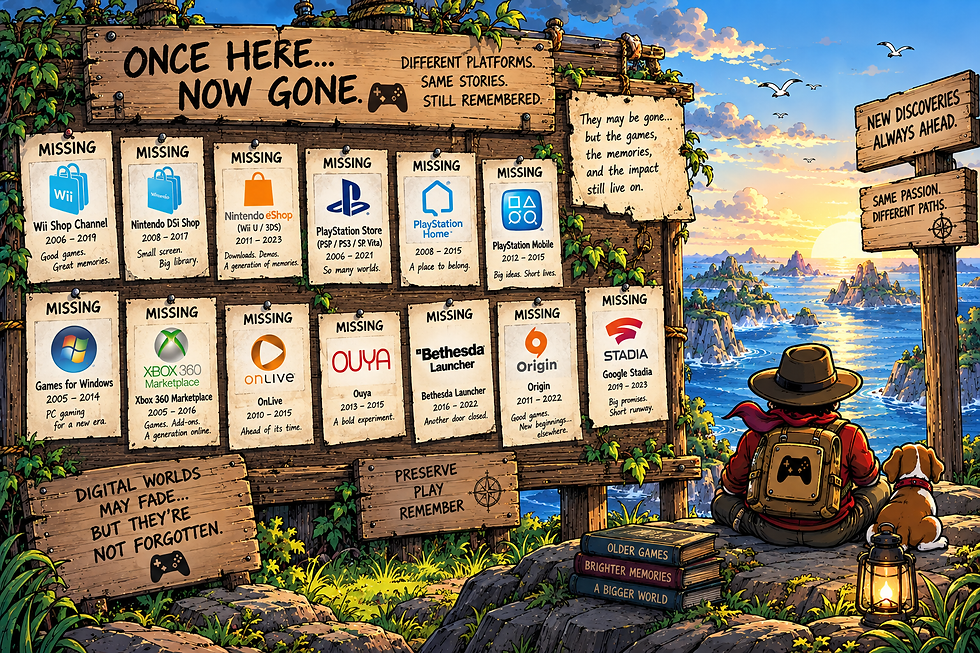
Not all of those services disappeared in the same way, and shutting down a storefront doesn't necessarily mean every game purchased through it instantly becomes inaccessible. But I've been around long enough to watch digital ecosystems arrive with enormous promises, become part of people's gaming lives, and eventually disappear or transform into something else. That's why being reminded that we're purchasing licenses rather than truly owning our digital games matters to me. When an entire library depends on accounts, servers, storefronts, licensing agreements, and the continued support of the company operating them, trust becomes part of the purchase whether we like it or not.
And trust is something that should be earned.
That's where an entirely digital future becomes more complicated for me. We're not simply being asked to trust these companies. We're increasingly being asked to depend on them. If physical alternatives disappear, so does our ability to choose how much of that trust we're comfortable giving them. And that's why I don't want the future of gaming to become a choice between physical or digital.
I want the choice itself.

Digital distribution can be incredibly convenient. Physical media offers something different. One doesn't have to disappear for the other to exist. What bothers me is when those choices are taken away and whatever replaces them is presented as simply the future. And maybe that's what drawing a line finally meant for me.

I didn't unplug my PlayStation because I suddenly hated PlayStation. I didn't cancel a subscription I'd maintained for sixteen years because I was done with video games. And I'm certainly not going to stop buying digital games when they make sense for me. I did it because I realized I could choose where my support went. And once I made that choice, I started looking at my frustration differently. It wasn't really about discs, storefronts, consoles, or even individual companies anymore. It was about the relationship I had built with this industry over nearly my entire life.
For decades, I followed these companies, bought their hardware, invested in their ecosystems, celebrated their successes, criticized their failures, and trusted them to carry this medium I loved into whatever came next. Maybe I had been giving them too much credit.
The Proprietors of Gaming
For most of my life, the traditional gaming industry was gaming to me. Nintendo. Sega. Sony. Microsoft. These were the companies making the consoles. The major publishers filled those consoles with games. Together, they created the platforms, ecosystems, and generations that defined how I experienced this hobby. And because of that, I think it became incredibly easy to associate the companies surrounding gaming with gaming itself.
Maybe that's why console wars became such a defining part of gaming culture. We didn't simply buy a piece of hardware. We picked sides. We defended brands. We argued over exclusives, sales numbers, graphics, controllers, and which plastic box underneath our television was somehow objectively superior to someone else's.

Looking back, it's kind of ridiculous. But I understand why it happened. When you spend hundreds—or thousands—of hours inside an ecosystem, it becomes more than a piece of hardware sitting underneath your television. You build a library. You discover franchises. You earn achievements and trophies. You make friends. You develop memories tied to games that might stay with you for the rest of your life.

Eventually, you stop thinking of yourself as someone who owns a PlayStation. You become a PlayStation gamer. Or an Xbox gamer. Or a Nintendo gamer. The platform becomes part of your identity. And I think that's where the line between industry and community started becoming blurry for me. These companies gave us the hardware. They funded and published the games. They created the storefronts, online services, and ecosystems where so many of these experiences happened. But we were the ones living inside them.

We were the ones playing Halo together late into the night. We were the ones standing in line for midnight releases. We were the ones arguing about games on message boards, sharing discoveries with friends, creating fan art, making videos, writing walkthroughs, building mods, and forming communities around the things we loved. The companies created the platforms. But we created the culture surrounding them. And yet, somewhere along the way, I think those two things became so intertwined that it became difficult to see where one ended and the other began.
Maybe that's why the decisions these companies make can feel so personal. If PlayStation has been part of your life for thirty years, it's easy to feel like you have some kind of relationship with PlayStation. If Xbox is where you met some of your closest friends, it's easy for Xbox to feel like more than a brand. If Nintendo introduced you to Mario, Zelda, Metroid, and countless other worlds that helped shape your childhood, it's easy to associate Nintendo with the memories themselves. I know I did.

For decades, these companies felt like the ships carrying gaming forward, and I was perfectly content being a passenger. Whenever a new generation arrived, I climbed aboard. Whenever new hardware was announced, I wanted to know where we were going next. Whenever a showcase happened, I wanted to see what was waiting over the horizon. And maybe that's why I've spent so much of this essay worrying about the direction those ships are heading. But here's the thing about ships: You don't have to stay on them. If the ship you're on starts heading somewhere you don't want to go, you can get off. And when you do, you might finally notice something you couldn't see while standing on the deck. There are islands all over the horizon. They were always there. Maybe the problem wasn't that I couldn't see them. I had spent so much time staring at the cracks forming beneath my feet that I'd forgotten to look toward the horizon.

There are games and communities that exist far beyond the traditional cycle of console launches, corporate showcases, quarterly earnings reports, and whatever happens to be dominating the news that week. There are decades of games I've never experienced, genres I've barely explored, and entire corners of this hobby I knew almost nothing about. And the more I started looking beyond the handful of companies I had spent most of my life following, the more obvious something became.
PlayStation, Xbox, and Nintendo aren't the sole proprietors of gaming. We are.

These companies can manufacture consoles. They can publish games. They can build storefronts, subscription services, and entire ecosystems designed to keep us invested for years. But they don't own our relationship with this medium. They don't own the friendships we've made through it. They don't own the memories we've created. They don't own the communities that have formed around the games we love. They don't own our curiosity. And they certainly don't get to decide where we go next. We do.

That doesn't mean the industry suddenly stops mattering. The cracks I've spent so much time talking about are still there. Layoffs matter. Studio closures matter. Preservation matters. Ownership matters. Pricing matters. The decisions these companies make affect real people and can have lasting consequences for the games and communities built around them. I don't want to pretend otherwise. And I don't want to stop paying attention.

But I had allowed so much of my relationship with gaming to become centered around those cracks that I had stopped looking at everything happening beyond them. Caring about the industry doesn't mean the industry has to define my entire relationship with gaming. That's the distinction I had been missing. Gaming wasn't getting smaller. My view of it had been. Once I started widening that view, I began noticing just how much was happening outside the traditional industry I had followed for most of my life. Instead of focusing entirely on what companies might be taking away, I started paying more attention to what the gaming community was preserving. What people were creating. What they were rebuilding. What they were rediscovering. And perhaps most importantly, what I might discover if I stopped waiting for the traditional gaming industry to show me where I was supposed to look next. That's when I started wandering off the beaten path.
Off the Beaten Path

Over the past several years, I've accidentally fallen down one rabbit hole after another. Those who have followed this blog for a while probably know exactly what I'm talking about. But for everyone else, it started with retro handhelds like the Retroid Pocket 2. Then I discovered the Steam Deck, which introduced me to Linux. Linux opened the door to console modding. Console modding introduced me to game preservation. That led to ROM hacks. Randomizers. PC recompilation projects. Open-source game engines. FPGA hardware. Preservation devices like the GB Operator. And now, even the SNES Operator sitting on my desk waiting to be explored.
None of this happened because I was trying to make some grand statement against the gaming industry. I was just curious. One discovery naturally led to another. And the more I think about it, the more I realize that's what I've been missing from the gaming industry lately. Curiosity, discovery, and wonder...

Think about those words. That's what gaming is really all about. While the biggest companies chase the latest trends, larger budgets, more powerful hardware, and increasingly expensive ecosystems, the gaming community has quietly been moving in dozens of different directions, all because of this.

Some people are preserving games that might otherwise disappear. Others are building entirely new experiences from technology that's decades old, including games created from classic engines like Doom. Fan translators are making games available to audiences who never officially received them, opening the door to titles such as Mother 3 and other games that remained locked to particular regions or languages. Then there are randomizers, taking familiar games like The Legend of Zelda, Resident Evil, and Super Metroid and rearranging the experience into something unpredictable. Old favorites suddenly become brand new adventures. ROM hacks take that idea even further. People are using the foundations and assets of existing games to create entirely new experiences. The sheer number of Mario, Metroid, and Zelda hacks out there is astounding—and that's barely scratching the surface. Then there are the people working to make games accessible to audiences who might otherwise struggle to experience them at all. Community-created accessibility mods can add options for visual, hearing, or physical impairments to games that were never designed with those players in mind.
And all of this is happening alongside source ports, decompilation and recompilation projects, open-source engines, fan servers, FPGA recreations, preservation hardware, homebrew development, and countless other projects I haven't even discovered yet. It's a community driven almost entirely by curiosity and I am absolutely here for it. Someone loves something enough to preserve it. Someone else wonders if they can improve it. Another person wants to translate it. Someone wants to make it accessible. Someone wants to completely tear it apart and put it back together again just to see what happens. And you know what? I think that's beautiful.
The Undiscovered Country
For most of my life, I've always been invested in the latest and greatest coming from these companies. There was something exciting about being part of a major new release. The anticipation. The launch. The conversations happening around it. You wanted to be there while everyone else was discovering it too. But the world got bigger. The way we connect to each other got bigger. Smaller local communities are now large entities that span the globe.
And as we've already covered, today's landscape feels very different than what it used to be when I was a kid. Between increasingly aggressive monetization, subscriptions, expensive hardware, and the sheer cost of keeping up with everything, it's becoming much easier for me to take a step back and look at what I already have. The internet calls it the backlog. I call it buried treasure just waiting to be uncovered.

Because for every game I've played over the years, there are countless others I missed entirely. There's an entire undiscovered country sitting in my own library. And it's funny because, in some ways, I'd already been digging for buried treasure without realizing it.

During the COVID years, and thanks to the endless hype I was getting about it from my own mother, I rediscovered No Man's Sky.
I played it on my PS5, blinked, and somehow put more than 120 hours into it. I definitely didn't see that coming. But when you're stuck inside your house with nowhere to go, the idea of exploring an entire galaxy suddenly sounds pretty inviting. And boy, was it. I had preconceived notions about the game from when it originally released on PS4. The developers continued working on it and improving it, but after it failed to grab me the first time around, I mostly let it collect dust. Coming back to it years later on the PS5 changed everything. This wasn't the same game I'd walked away from. It had undergone a massive transformation and, from my perspective, felt like an entirely different experience.
Exploration and discovery were what initially kept me intrigued. But the best part came when I discovered the creative side of the game. I learned that you could design your own base using all the materials you collected while exploring. I started small, got used to how everything worked, and then discovered just how intricate the whole system could become. You could do so much.
Before long, I was getting increasingly ambitious, trying to build the craziest things I could imagine. I'd carve bases through mountains, build beneath the seabed, and connect everything with elaborate networks of tubes and stairs. It was incredible.
And somewhere in all of that, I discovered something about myself as a player that I hadn't really considered before: I really enjoyed crafting.
That had never been an area of gaming I was particularly interested in. But No Man's Sky changed that. And discovering something new that I enjoyed created this strange little feedback loop. Suddenly I was more willing to try other games built around exploration, survival, crafting, and creation.

I found games like Stranded Deep, Raft, Grounded, and Dragon Quest Builders. That's eventually how I found The Lord of the Rings: Return to Moria during a Steam sale. I never expected to become hooked on a fantasy game centered around exploring an underground mine, digging deeper and deeper for materials, fighting whatever I encountered along the way, and building a home beneath a mountain. More than 200 hours later, I think it's safe to say it worked. There was something incredibly comforting about it. Exploring. Building. Slowly carving out my own little place in a fantasy world I enjoyed being in. Of all the games I've played for that particular sense of joy and comfort, Return to Moria might take the crown. But in the middle of playing that game came the surprise release of The Elder Scrolls IV: Oblivion Remastered.

Seriously, Bethesda dropped that out of nowhere and it was the first time I felt excitement for an Elder Scrolls game. Next thing I know, sixty-plus hours of my time was spent exploring the land of Cyrodiil, something I've never done before. You know, it's funny. I had always been aware of The Elder Scrolls, but the only game in the series I'd really dabbled in was Skyrim. And despite its reputation, I never gave that game much of a chance either. Nothing about it hooked me at the time. I eventually went back to Fallout: New Vegas for what was probably my fifth or sixth playthrough instead. Blasphemous, I know. You'd think Skyrim would have been exactly my kind of game. Today, you'd probably be right. But in 2011, I had different interests and other priorities.

The Xbox 360 had me glued to games like Call of Duty: Modern Warfare 2 and 3, along with the Batman: Arkham games. I had gotten my first PS3 that year and found myself catching up on Uncharted. And say what you will about the Wii's motion controls, but Skyward Sword came out that year. And, well... it's Zelda. There was something exciting about being reminded that the batteries in my Wii Mote are nearly depleted.
So as you can see, I've played a lot of great games while also missing a lot of great games. But that's the beauty of this medium, though. It's never too late to go back. A game doesn't stop being worth experiencing simply because everyone else finished talking about it twenty years ago. And discovering something for the first time—regardless of when it was released—can be worth its weight in gold. Which brings me to my next amazing discovery and one of the greatest gaming experiences I've had this year.
The Elder Scrolls III: Morrowind
When Morrowind first released on the original Xbox back in 2002, I really wanted to like it. The idea of bringing a massive PC role-playing game to a home console fascinated me. PCs were pretty daunting to me when I was growing up. There were too many moving parts I didn't understand, and the idea that games required specific hardware just to run properly mostly escaped me. I was a kid, so who could blame me? I missed out on a lot of great PC games because of that.

That's part of what made the original Xbox so interesting to me. It felt like Microsoft was bringing some of those PC experiences into a world I understood. I remember my best friend getting an Xbox and showing me Morrowind for the first time. I was fascinated by what I saw. But when I finally had a controller in my own hands and the opportunity to explore that world for myself, something about it just didn't click for me. And, to be fair, I barely gave it a chance. I bounced off almost immediately without really understanding what the game was or what it was trying to offer me.
Looking back at that time in my life, I was just graduating high school and playing way too many survival horror games across multiple systems. Resident Evil Code: Veronica for the Sega Dreamcast, Silent Hill 2 for the PS2, the Resident Evil remake, Resident Evil 0 and Eternal Darkness: Sanity's Requiem on the Gamecube. I wanted jump scares, shotguns, monsters, and the drama surrounding these games. Morrowind wanted something completely different from me. It wanted me to slow down. To pay attention to the world around me. To absorb its atmosphere, learn its lore, read what people had to say, and figure things out for myself. My attention span at the time wanted absolutely none of that.
There was too much reading, too much freedom, and not enough direction for the kind of player I was back then. I simply didn't understand what made any of it special.
And what I find funny about all of this is that Morrowind didn't change.
I did.
Today, I'm more than one hundred hours into the game, barely scratching the surface of what it has to offer, and I'm completely captivated by it. For the first time, I'm slowing down enough to appreciate what the game is actually asking of me.

It isn't trying to rush me toward the next objective or bombard me with icons across a map. It wants me to pay attention. To read. To explore. To get lost. To wonder what's over the next hill. Somewhere along this journey, I realized that's exactly what I'd been missing. And surprisingly enough, I might never have returned to Morrowind if it weren't for the community surrounding it.
While I was enjoying Oblivion Remastered for its gameplay, combat, open-world freedom, its story and lore, I was contemplating the idea of going back to Skyrim. Something about Oblivion made me realize what it was that I was missing. It was one of those light bulb moments where you say to yourself "I get it now." But I kept coming across videos in my YouTube feed showing how well Morrowind runs on the Steam Deck using OpenMW. For those unfamiliar with it, OpenMW is a free and open-source reimplementation of Morrowind's game engine that allows the game to run on modern hardware and across different operating systems. That alone is just wild to me.
People loved this game enough to spend years helping ensure that it remained playable and accessible long after the technology it was originally built around had moved on. And the community didn't stop there. There are mods offering quality-of-life improvements, higher resolutions, modern controller support, graphical enhancements, new content, and countless other ways to tailor the experience. That curiosity finally convinced me to go back and give Morrowind another chance.
What I discovered wasn't just one of the most ambitious open-world RPGs of its era. I discovered a game that had patiently waited twenty-four years until I was finally ready to appreciate it.
There's something incredibly comforting about that. It reminded me that games don't expire simply because they're no longer the newest thing. Great games can be timeless. Sometimes we're simply not ready for them the first time around.

And that's what excites me so much about gaming right now. What else is out there that I missed? What other games are waiting for me to finally give them a chance? What communities have spent years preserving, restoring, modifying, translating, or improving experiences I've never even heard of? What could I get lost in next? The possibilities feel almost limitless. And best of all, there's no countdown. No launch window I need to worry about. No pressure to play something because it's the game everyone happens to be talking about this month. These experiences aren't going anywhere simply because I didn't get to them when they were new. They're there when I'm ready for them. And that, to me, is special.
So What Does This All Mean?

When I began writing this whole thing, it started because of PlayStation's decision to go towards an all-digital future. Then it spiraled from there due to all the crazy things happening in the industry. I was frustrated, I was angry. Writing helps me process and analyze complex emotions and this one really got to me. Seeing where it is is now compared to how it started, I feel like I've learned a lot, let go of a lot, and understand myself a lot more in this age of gaming. I can see now, how I've spent so much time worrying about where the gaming industry was headed that I rarely stopped to look at how much gaming was already around me. My own library is filled with more incredible experiences than I could probably finish in several lifetimes. Games I missed. Games I overlooked. Games I wasn't ready for. Physical games. Digital games. Indie games. Old games being given new life by communities that refuse to let them disappear.

And I'll still get excited about what's coming next. I'll still watch the showcases. I'll still discover new games, especially from the indie developers constantly reminding me just how creative this medium can be. But when it comes to the companies steering those massive AAA ships, I'm becoming much more comfortable taking a step back, slowing down, and deciding for myself what's actually worth my time, attention, and money. Maybe that's what's really different about my relationship with gaming today.
For years, I think many of us—including myself—blurred the line between two things. We talked about the gaming industry and the gaming community as though they were interchangeable. And for a long time, maybe it genuinely felt that way. A console brand wasn't merely a company selling hardware. It felt like a home.

We called ourselves PlayStation fans, Xbox fans, Nintendo fans, Sega fans, Atari fans. Those identities came with shared memories, mascots, exclusives, midnight launches, magazines, forums, traditions, and friendships. The companies certainly benefited from that attachment, but that doesn't mean the attachment wasn't real. That's why it hurts when a company responsible for something we love begins making decisions that seem completely disconnected from the things we valued about it in the first place. But I've come to understand something important: Those identities and attachments don't belong to the companies. They belong to us.
The companies built the hardware. Publishers funded the projects. Developers, artists, musicians, writers, programmers, and designers created incredible worlds for us to explore. I don't want to discount any of that simply because I've become frustrated with the business surrounding it. There are extraordinarily talented human beings working within this industry, and without them, so many of the experiences I've treasured throughout my life wouldn't exist. But once those experiences entered our lives, something else happened. The community took over.
The community is what happens after a game stops being merely a product and becomes part of someone's life. It's the friendships we formed playing Halo after school. The midnight launches we stood in line for. The guilds, clans, forums, and Discord servers we created. It's the fan art, YouTube videos, podcasts, speedruns, tournaments, mods, translations, ROM hacks, and preservation projects that continue long after the credits roll. The industry can create and sell us an experience. It can't manufacture what that experience comes to mean to us.

And maybe that's why so many of the decisions I've spent this essay talking about feel as personal as they do. When a studio closes, we don't see a line disappearing from a corporate spreadsheet. We see talented human beings losing their jobs. When a storefront closes, we think about the games that might disappear with it. When physical media goes away, we think about collections we've spent decades building. These things matter because we've built memories, relationships, and pieces of our identities around them. I think that's where I mistakenly placed my own sense of belonging.
Somewhere along the way, I began confusing the companies that facilitated these experiences with the communities that gave them meaning. That's a difficult distinction to make when you've spent most of your life growing up alongside them. But the more I separated the two, the more I understood something that now seems incredibly obvious: Corporations aren't communities. They're businesses. That doesn't inherently make them villains. Businesses need revenue. Games cost money to create. Companies employ thousands of people and have to make decisions they believe will sustain themselves. Sometimes those decisions align with what players value. Sometimes they don't. And when they don't, I have a choice.
I can criticize them. I can stop supporting them. I can spend my time and money somewhere else. I can simply choose another direction without feeling like I'm somehow abandoning gaming itself.
Because the community operates differently. The community preserves because it cares. It teaches because it wants someone else to experience what it loves. It restores old servers because the memories created there still matter. It translates games that never reached another part of the world. It rebuilds forgotten engines because great ideas deserve another chance. It mods, experiments, documents, archives, repairs, and creates—not necessarily because there's money to be made, but because someone loved something enough to wonder: What else is possible?

And that's the question that finally brought the excitement back for me. I stopped waiting for the gaming industry to rekindle my curiosity and started following the curiosity of the people who already had it. Maybe that's the distinction I had been missing all along. The industry sells. The community creates. The industry will keep changing. Companies will come and go. Consoles will launch. Storefronts will close. Prices will rise. Technologies will change. There will be decisions I celebrate and others that frustrate the hell out of me. And I'm sure I'll keep writing about plenty of them. But none of those things get to decide what gaming means to me. I do.
Maybe that's what I've been trying to understand through all of this. I was never done with gaming. I was tired. I was frustrated. And I had spent so much time staring at where the industry was headed that I'd forgotten to look around at everything that was already here. Now when I look around, I see something completely different. I see games I haven't played yet. Worlds I haven't explored. Communities I haven't discovered. Old favorites waiting to be experienced in completely new ways. I see projects being built by people who love this medium enough to preserve it, rebuild it, translate it, modify it, and pass it along to someone else.
And somewhere out there is probably another Morrowind. Another game I overlooked. Another rabbit hole I haven't fallen into yet. Another piece of buried treasure sitting quietly in my own library, waiting until I'm ready to find it. And I think that's what excites me most. After spending so much time worrying about where gaming was going... I've realized I don't need to know. I just need to keep exploring.
Thanks for reading.
Sincerely,
BlueNile101


Good shit my dude. Always good at your thoughts and organization. Good writing and good points all around. Console companies are the reason why I went indie scene and supporting them a long while back.